
By Ms Kiruthika K, Occupational Therapist, Chennai
How much screen time is okay for my child? Is screen time really a problem?
As an Occupational Therapist, I have come across this question many times. The answer to all the questions related to screen time is BALANCE.
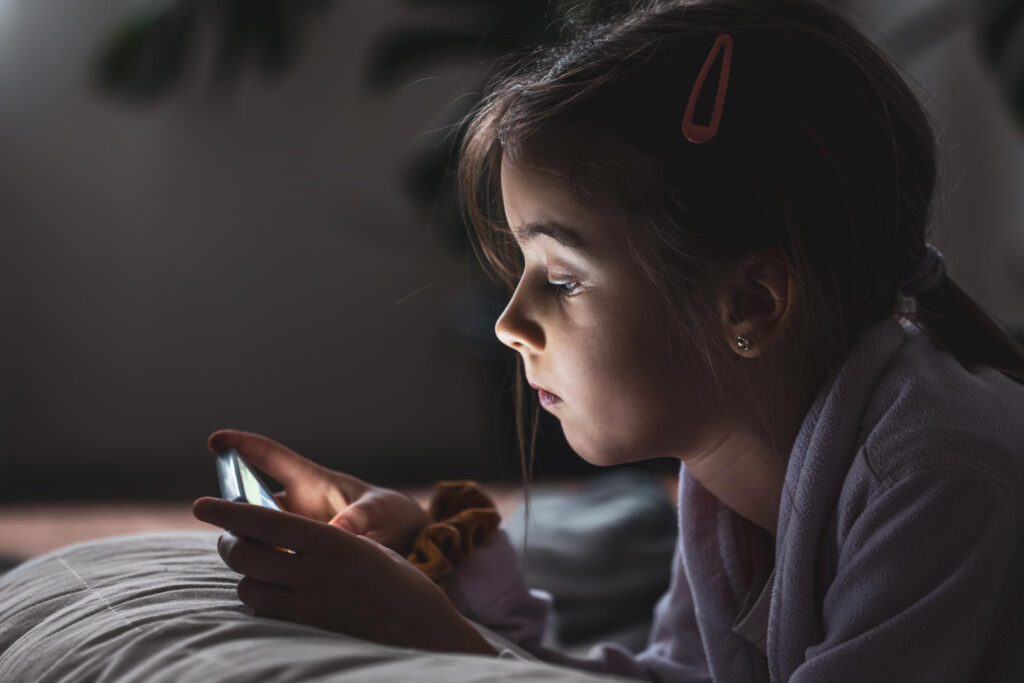
Screens include televisions, laptops, tablets, and phones, encompassing passive viewing. Screens are a part of our everyday life, where many families offer screens for comfort and convenience. Screens can be meaningful when they are limited, purposeful, and supervised. What truly matters is how much, how often, and what screen should be given. When screen time is excessive, it will always replace opportunities for the child’s development. When screen time increases, skill time decreases. Children often learn through experiencing and exploring different things while playing and engaging in activities.
How Much Screen Time Can I Give My Child?
Children below the age of 2 years should not be exposed to any type of screens. Screen time for children between the ages of 2 and 5 years should not exceed 1 hour.
What Is the Right Age to Introduce Screens?
Around 2 years old, you can introduce screens such as a TV and computer. You should also view the screen with the child and prefer interactive educational programs for a short duration of time.
Does the Parents’ Screen Time Affect the Children?
Yes, parents’ screen time affects children. Children learn best when parents demonstrate what they have “to do” rather than just “say it”. Parents are the role models for children.
Learning happens away from the screen. When screen time becomes excessive, the child struggles with attention, sitting tolerance, and emotional regulation.
Balance is what is required, not perfection.
I remind parents that children learn from us and through us, so it is important that we create and pave the way for a child to engage in natural learning. Prioritise moments together, engage in conversations, shared activities, and remember that everyday moments are powerful learning opportunities.
Screens hold attention — but SKILLS are built through real-life experiences that stay with the child for life.