
By Ms Thejasvi Balaji, MOT (SI), PGDCFT, Occupational Therapist
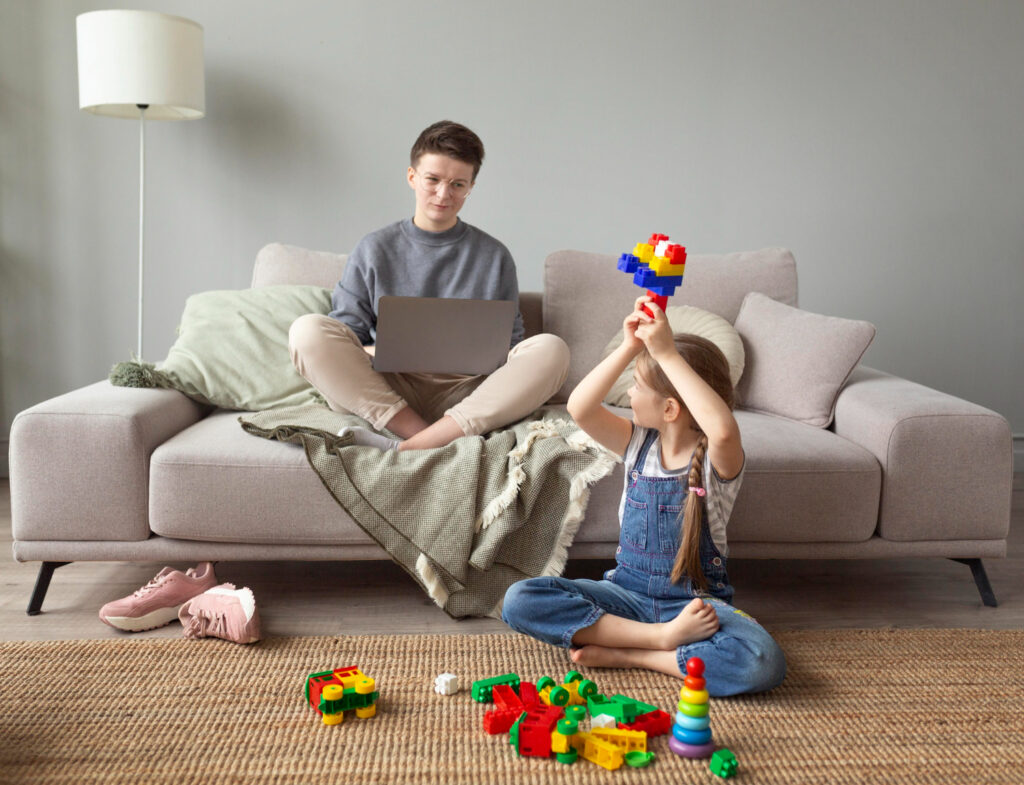
Leisure is not a luxury — it is a necessity for functional wellbeing. Leisure refers to self-directed activities an individual engages in during one’s free time for pleasure, relaxation and gratification. These tasks can range from sports to baking, from participating in social clubs to writing books.
Leisure and Occupational Therapy
Occupational therapists account for leisure as a significant component in assessment and treatment to bridge the gap between illness, recovery, self-discovery, competency and quality of life. Leisure is a therapeutic tool that supports conventional therapy methods for individuals recovering from emotional, mental, or physical difficulties.
Benefits of Leisure in Therapy
- Aids physical rehabilitation
- Promotes mental health
- Promotes cognitive functions
- Fosters social connection
- Encourages independence
How Do We Intervene?
- Identify barriers to participation
- Modify tasks/environment to promote successful leisure experience
- Establish meaningful goals that align with recovery
- Integrate leisure into routine
At HAMSA, we assess patients’ interests, abilities, and limitations to recommend leisure activities that align with their therapeutic goals. We harness the power of leisure to empower patients to lead fulfilled and balanced lives.