By Ms. Preethi, Physiotherapist, Trichy
Motor Learning: A permanent change in movement behavior that leads to skilled activity acquired after constant practice.
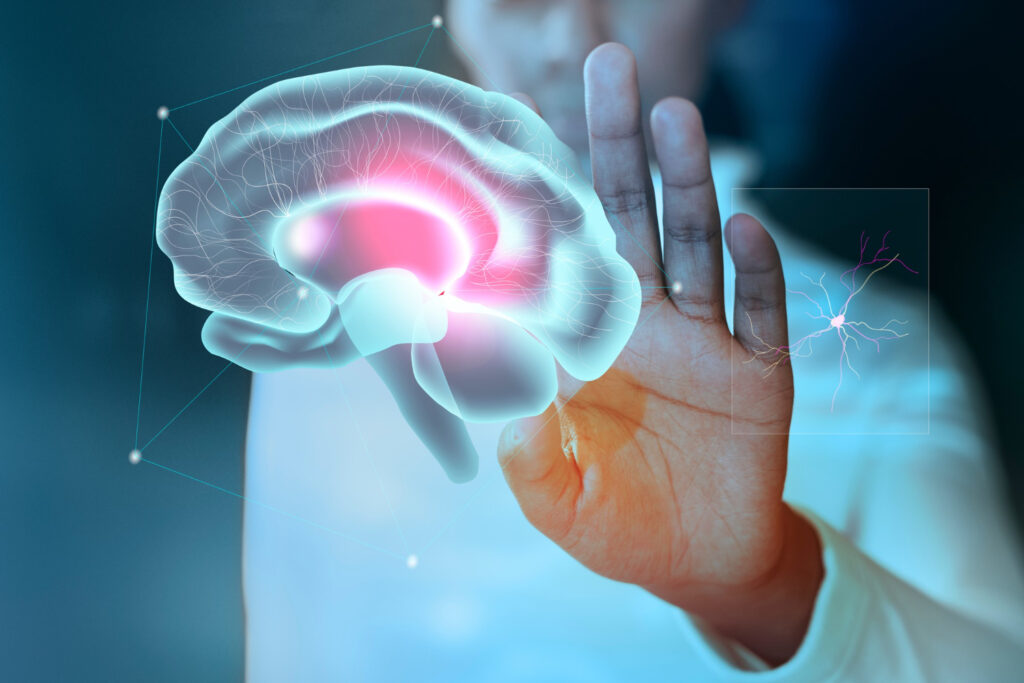
Neuroplasticity: Ability of the brain to change and adapt in response to various learning and experience.
Fitt and Posner’s 3 Stage Model of Motor Learning
1. Cognitive Stage
In this stage, the learner performs the activity without understanding the nature or purpose of the movement. Activity is performed with so many errors and requires maximal feedback from the instructor (i.e. continuous verbal and visual feedback). “Cognitive mapping” is very essential in this stage to make the performer understand the task. Distributed mode of practice can be used to avoid fatigue.
2. Associative Stage
During this stage, the performer has developed his/her own decision-making abilities and tries various strategies. Activity is performed with minimal errors and intermittent feedback is sufficient. Random practice schedule can be used to improve his skill and performer gains confidence to complete the task.
3. Autonomous Stage
During this stage, the performer has developed his/her own decision-making abilities and tries various strategies. Activity is performed with minimal errors and intermittent feedback is sufficient. Random practice schedule can be used to improve his skill and performer gains confidence to complete the task.
Mastering oneself in an open environment is much an astonishing way of developing the learned skill.
Hence, neuroplasticity occurs effectively based on the type of practice and feedback given depending on which stage the performer belongs to.
Good Neuroplasticity → Early recovery.
Therefore, before framing a protocol for a head injury or a stroke patient, the above stages must be taken into consideration. Which stage the patient belongs to, what type of practice, and what sort of feedback can be administered?
“Anyone who has never made a mistake has never tried anything new.”